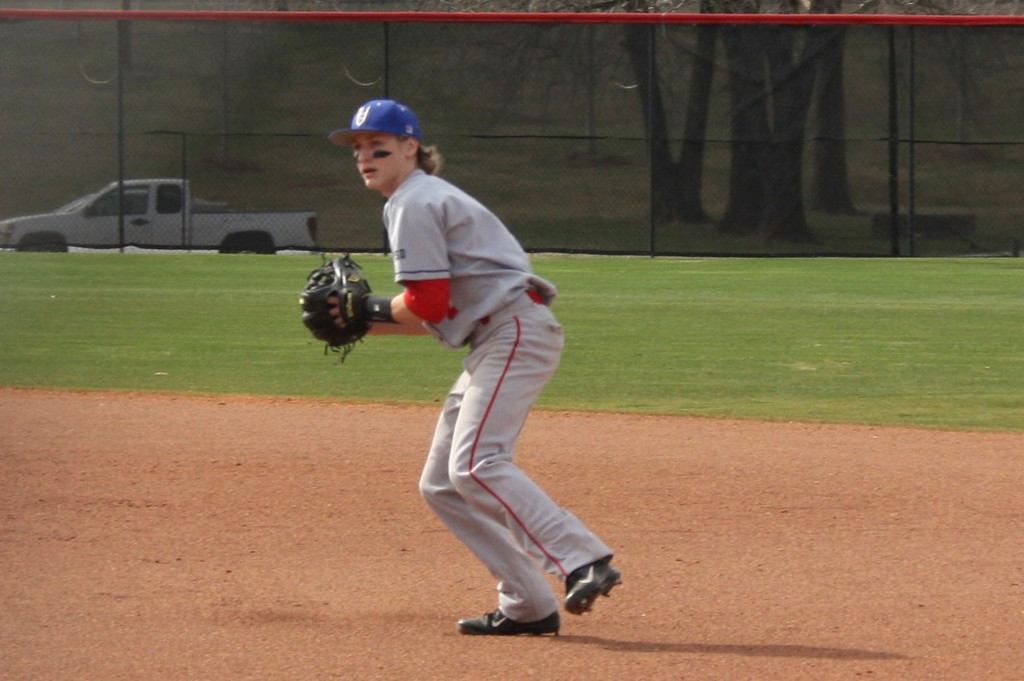
 All too often we credit genetics when considering athleticism. I can’t tell you how many kids I have coached in baseball who were wicked athletes, but their mom and dad couldn’t catch a cold.
So what happened there? It has been widely studied and documented in the book Outliers, by Malcolm Gladwell, that a skill can be mastered with 10,000 hours of training. Is athleticism a skill? Well, some would argue that it is. Others would say you either are, or you’re not. In my opinion, both could and often times are correct.
Now, those athletic kids coming from not-so-athletic parents didn’t tap into some genetic manipulation process and then build a small time travel machine in their basement to alter the course of their personal history. Either their parents were also athletic, and had no idea how to tap into that athleticism, or these athletes are on to something that others may have missed.
Well, trust me: ESP’s athletes are definitely on to something. They are fully tuned into the ESP Process, and they have executed the process with intent and purpose. But this post is not about the ESP process as much as it is about Gladwell’s 10,000 hours to mastery.
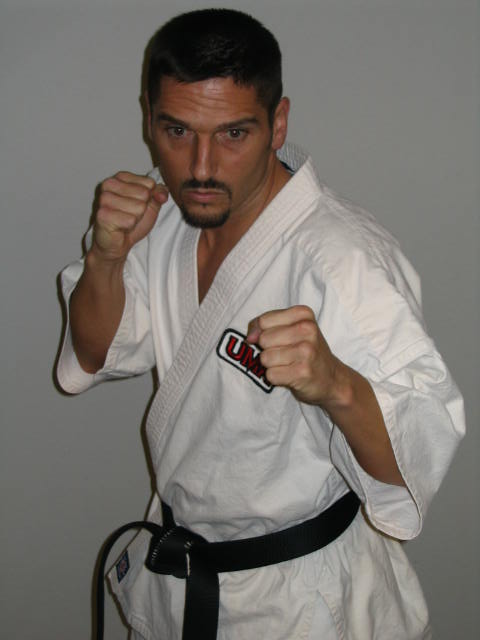
Can we rapidly learn a skill that takes others 10,000 hours? I would suggest to you that you can. Like any other talent, you have to know how to do it first, and then you must break that skill down into its most basic parts. We call this Rapid Talent Acquisition. As a martial arts instructor, I was often approached by people who thought they were “good” fighters. I can’t tell you how many times I have heard (imagine a thick Southern drawl when reading this next part), “Hey man, do you really think you can kick my butt?!” My answer is always the same. “Yes, yes I can, and it won’t even take me that long!” So why am I so sure of that? Because I can’t beat Gary Kasporav at chess! And what does that have to do with fighting? Kasporav, arguably the greatest chess player in history, is a master! Oh sure, I can beat the crap out of him in a fight but, while I (cue the same country drawl) “know how to play chess,” I certainly can’t play chess like Kasporav. I fought for a living, meaning that I got paid to fight; very few people understand what that means. When my body’s natural mechanisms of “fight or flight” kicked in, I had been trained to ignore them and calmly execute the skills that martial arts training had helped me master.
At ESP we have taken the same concepts of martial arts training and plugged them into other sports. Couple that integration with Rapid Talent Acquisition training, and you have a pretty solid approach to gaining what looks like, and often times is, a newly-acquired athleticism. So yes, some athletes are just genetically athletic, but you can take a relatively uncoordinated athlete and increase his abilities 20 to 30 percent. Stay tuned and we will talk more about this topic and explain how ESP can defy Gladwell’s Rule of 10,000.
 Let’s start with glutamine. This is one of the most available amino acids in protein, and the body uses it for muscle repair and helps speed recovery. This is an amino that I like to take at night before I go to bed. Some people have issues with taking any supplement at night, but I have never had this issue. I like the chewable type or the ones that you can mix in a glass of water. I also believe, but have no solid research to prove this, that glutamine helps keep the immune system in check. It doesn’t help if you are already sick, (look to zinc if that is your issue) but it seems to keep the body’s immune system working normally even when dieting or training hard.