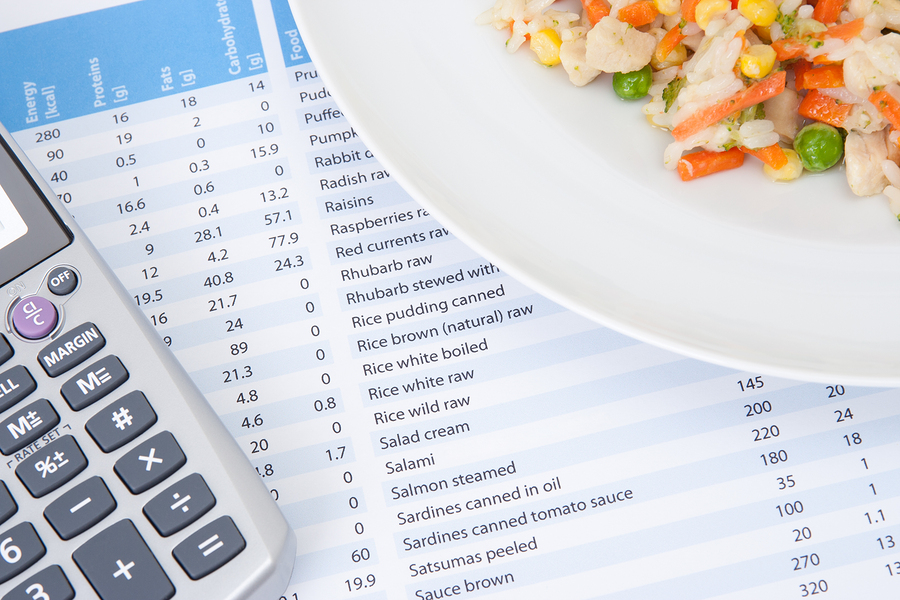
Any glycogen that is unused by the body will be transformed into a fatty acids, which can later be stored as body fat. For elite athletes this rarely happens due to the dietary needs that accompany the intense training that elite athletes go through. With all the talk about carbohydrates making us fat, we have lost sight that this only occurs if we don’t use the carbohydrates that we eat for fuel.  Carbohydrates are an essential part of our diet, but what type and when you eat them is pretty important to athletes, especially those who are putting serious demands on their bodies. Carbohydrates, in the form of bread, rice, cereal, pasta, and other grains, could be a part of your daily food consumption, but carbohydrates found in other foods, including vegetables, legumes, nuts, & soy should be the carbohydrates that are first on your list. Low carbohydrate diets are becoming popular even among elite athletes, but like any good thing, some people without good dietary information tend to choose plans that make them “look” good as opposed to perform at a high level. The latest diet craze is Keto dieting where almost all carbohydrate sources are eliminated from the diet, forcing the body to utilize ketones as the main energy source. Does this work? Well studies show that it does and typically we have an unlimited store of fat for energy because the body will convert all excess calories over our TDEE (Total Daily Energy Expenditure) as fat.
Keep in mind that glycogen stored in the liver provides energy for vital functions like brain, red blood cells, and kidney cells. The glycogen stores that are in the muscles cannot be used for those vital functions. The brain prefers to burn fat as energy and often does, especially when we are in a fasted state. So while some sport performance could suffer from low carbohydrate diets that place you in glycogen debt, other strength related sports have shown improvement when limiting the number of carbohydrates you consume. That doesn’t mean we need to remove them altogether, nor does it mean we need to go back to the days of unbridled carbohydrate loading. Spikes in blood sugar will drastically reduce your ability to concentrate, but so will low blood sugar levels. In response to a spike in glucose, your pancreas pumps out insulin to transport it to cells throughout your body. This process causes your blood sugar and insulin levels to move up and down rapidly, often times leaving you feeling fatigued and hungry.
So, what do we do?
The answer is not as simple as you might think. The amount and type of carbohydrates is specific to every athlete and is dependent on the type of training that is being executed. This is why Enhanced Sports Performance created the Enhanced Performance Process to begin with. What works for one athlete may not for another.
What we are ultimately trying to accomplish is to store just enough glycogen to support vital functions as well as fuel your training, but not an ounce more than that. This, to a certain degree is trial and error and will take time to develop the best mix of complex, and simple carbohydrates within your nutrition plan.
Weight Loss or more appropriately put “fat loss” has to be addressed separately than fueling enhanced performance. Don’t get me wrong, one can lead to the other, but it is better to remove unwanted fat that hinders enhanced performance before you begin elite training. Common sense and a closely kept food diary goes a long way, but in order to jump higher than you ever have, run faster than you ever have and acquire sports related skills rapidly, your body has to be working at an optimal level. To do that, the type and amount of carbohydrates that you consume must be precise.
If you can’t engage an ESP expert coach or a dietary consultant, here is a good rule of thumb: if you are trying to reduce your fat stores, and you are actively training, consume 10% of your daily calories as carbohydrates. If you are looking to maintain your weight, you should be at 30%. If you are an athlete that endurance trains, you need to increase to roughly 40% of your calorie intake as carbohydrates, but they MUST be slow burning. Note: this is NOT scientifically precise, and you need to consider many other things before making this your nutrition plan.
]]> Let’s start with glutamine. This is one of the most available amino acids in protein, and the body uses it for muscle repair and helps speed recovery. This is an amino that I like to take at night before I go to bed. Some people have issues with taking any supplement at night, but I have never had this issue. I like the chewable type or the ones that you can mix in a glass of water. I also believe, but have no solid research to prove this, that glutamine helps keep the immune system in check. It doesn’t help if you are already sick, (look to zinc if that is your issue) but it seems to keep the body’s immune system working normally even when dieting or training hard.
Arginine: I like to take arginine in liquid form. I take this pre-workout, because it helps to mobilize fat in the body to use as energy. You know that feeling you sometimes get in sports when you are zoned in and playing well? This is the same feeling that arginine gives me during a workout.
If your workout is one in which you are trying to rapidly increase a skill or talent, you may need 3 of these – stay tuned for more on this.
]]> Back when I was a bodybuilder, we consumed amino acids like they were jelly beans! Of course, we couldn’t eat jelly beans, so it seemed a pretty crappy trade-off. Today we know so much more about amino acids. BCAA’s are amino acids that include leucine, isoleucine and valine. Unlike the other amino acids, these little guys bypass the liver and go straight to doing their jobs, which of course is repairing muscle. Taking BCAA’s prior to your workout is a great idea. I would even consider mixing your BCAA’s with your water to drink during exercise. This way your muscle has what it takes when it starts to repair immediately after your workout. I also like to take arginine and onithine prior to my workout. Both of these aminos help drive nitric oxide production. This helps the muscles to relax and promotes more blood flow into the muscle, allowing oxygen, nutrients and red blood cells to the muscle site. Add this to your routine and you will see results pretty quickly – and you will feel a pretty healthy pump during your resistance training.
Keep checking our blogs for my next post on glutamine.
]]>3 days low carb – 70% Protein, 20% Fat, 10% Carb – All bread carbs should be consumed in the AM hours, then only veggies in the PM hours.
1 day high – 40% Protein, 40% Carbs, 10% Fat – Try to hold true to only vegetable carbs for dinner.
]]>Sources:
Centers for Disease Control and Prevention. “Tips for Preventing Heat-Related Illness.” http://www.bt.cdc.gov/disasters/extremeheat/heattips.asp.
Institute of Medicine. “Dietary Reference Intakes: Water, Potassium, Sodium, Chloride, and Sulfate.” http://www.iom.edu/?id=18495.
]]>